STREAM DYNAMICS 101-RUNS
In the first part of this series, Stream Dynamics 101: Riffles, we explored how riffles, with their shallow and turbulent water, create prime feeding zones for trout. Riffles are an angler’s best friend when it comes to locating actively feeding fish, but they’re only part of the story. Today, we'll shift our focus to runs—the deeper, smoother stretches of the river that offer a different habitat and set of conditions. By understanding how runs work and when trout are likely to occupy them, you’ll be able to make the most of your time on the water, especially on days when fish aren't in the riffles.
If riffles consist of shallow, turbulent water running over gravel or small rocks, runs are almost the opposite. Runs consist of fast, relatively deep water (qualified by the size of the river) with little or no turbulence. They often stretch over long sections with minimal gradient change.
Trout can often be found in runs during times when they are generally inactive and not aggressively feeding. That’s not to say runs aren’t productive.
Some insect species, primarily caddis, hatch in runs as well as riffles.
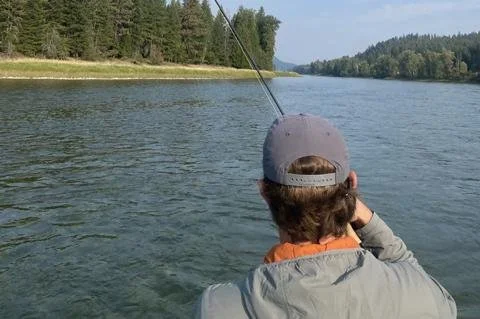
The other day, I witnessed exactly this scenario. I was floating the Kootenai River, and there were no bugs hatching for the first couple hours. I concentrated my efforts on working the riffles, and while we managed to catch a few fish, it was slow. Around mid-morning, I started to see fish rising in long runs, about five feet deep, with walking-speed current. Though I couldn’t see any insects hatching, I switched both anglers to a size 16 tan X-caddis. The angler in the front made a cast as we entered a long glide. His caddis drifted for about fifteen feet before a fourteen-inch bread-and-butter rainbow crushed it with determination. From that point on, we caught fish in the same water type throughout the day.
Runs can also be productive if they travel down the bank. This scenario is especially true during late summer and fall when terrestrials like hoppers, beetles, and ants are actively falling into the water.
Runs are often overlooked as less productive water. While they may not be as fruitful as riffles every day of the season, there are times when trout will occupy them, and times when they may even be the best water during the day.
By keeping in mind the difference between a riffle and a run, and by fishing each with specific themes in mind, you’ll increase your chances of success on the river.